
The Cotswolds at a glance
The Cotswolds stretch from Warwickshire and Worcestershire in the north to Wiltshire and Bath in the south. The western edge is a steep slope called the Cotswold Escarpment, and the rock underneath is Jurassic limestone. Most visitors come for the villages, the walking and the market towns, and they cover only a small part of the area in one trip.
Since 1966 the landscape has been protected as an Area of Outstanding Natural Beauty. Today the landscape body uses the name Cotswolds National Landscape. It is the same protected area, not a national park, and the label does not give anyone a general right to walk across private land. This site is an independent guide. It has no link to the landscape body, to councils, to the National Trust or to any tour operator.
Getting there and getting around
The villages are spread out, so how you travel decides how much you see. Prices are from 2026.
By train from London
Great Western Railway runs direct trains from London Paddington. To Moreton-in-Marsh the fastest listed journey is 1 h 24 min and the average 1 h 33 min. To Charlbury it is from 1 h 5 min. To Kemble the average is 1 h 13 min. Advance fares are advertised from £14 (Moreton), £12 (Charlbury) and £20 (Kemble) one way. These are indicative prices with limited seats, so treat them as a starting point. Check the timetable for your date.
By bus
Pulhams route 801 links Cheltenham, Bourton-on-the-Water, Stow-on-the-Wold, Moreton-in-Marsh and, on some trips, Chipping Norton. Eligible local single fares are capped at £3 until 31 December 2026. The CotswoldZone day ticket costs £8 for adults in the app and £8.50 on the bus. Since 26 July 2026 you can tap on and off with a contactless card. If you forget to tap off, you are charged to the end of the route.
By car
Parking is the limit, not the road. Bourton-on-the-Water charges £4.40 for 2 hours, Chipping Campden asks £2 for 2 hours, and Bibury has only a limited number of free spaces along the road. The pages for each place list the rules. Castle Combe's car park can fill up in summer and on bank holidays, and parking spaces in Bibury are in demand.
Without a car
The landscape body describes car-free travel as possible but demanding because the area is so spread out. There is no continuous public transport link between all the villages, so choose a base, take a bus or train to it and walk from there. Day tours from London solve the problem by putting the route in one ticket.
Our picks: Cotswolds tours
A small-group day from London, a villages tour from Bath and a day from Oxford.
Hand-picked tours, booked through GetYourGuide. Prices are indicative starting prices in British pounds (as of October 2026). Tap a tour for live availability and the current price in your currency.
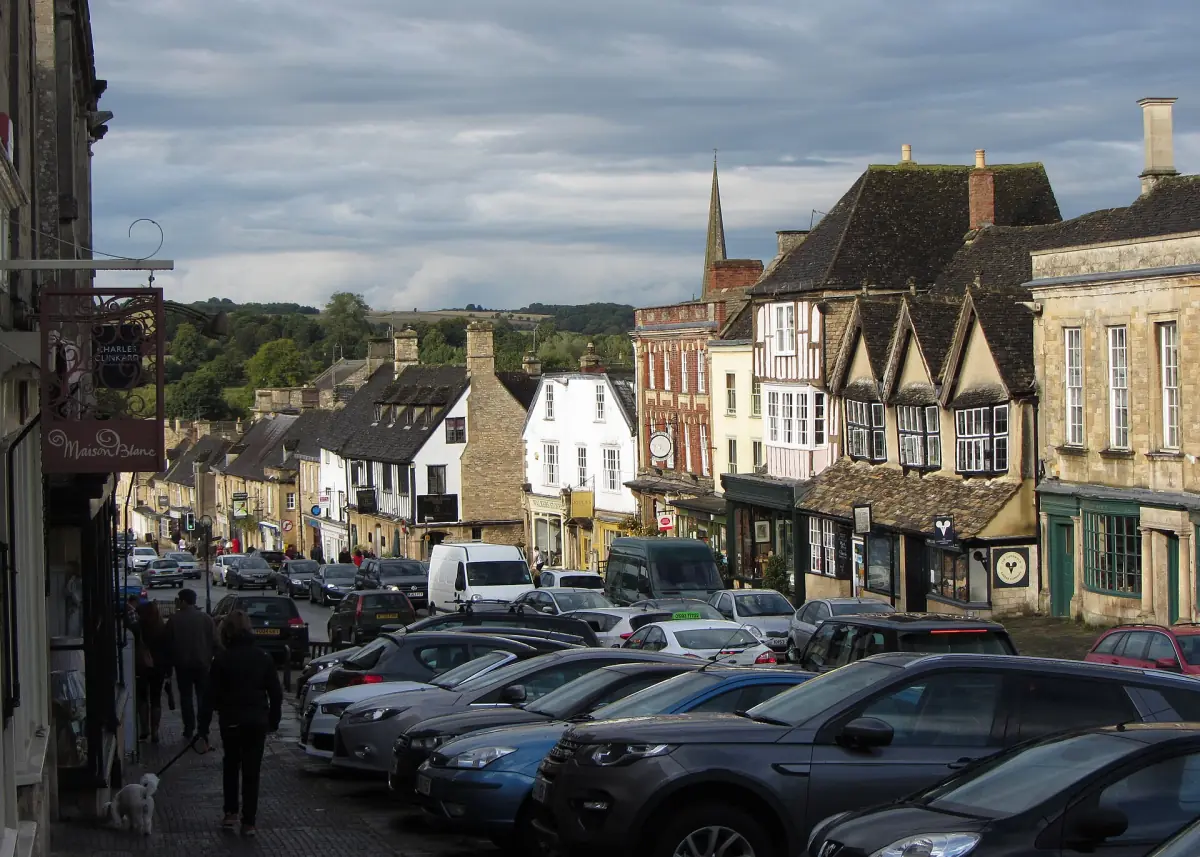
Cotswolds towns and villages from Oxford
Seven hours in an air-conditioned vehicle with a local driver-guide. Entry to further attractions is not included.
Check availability →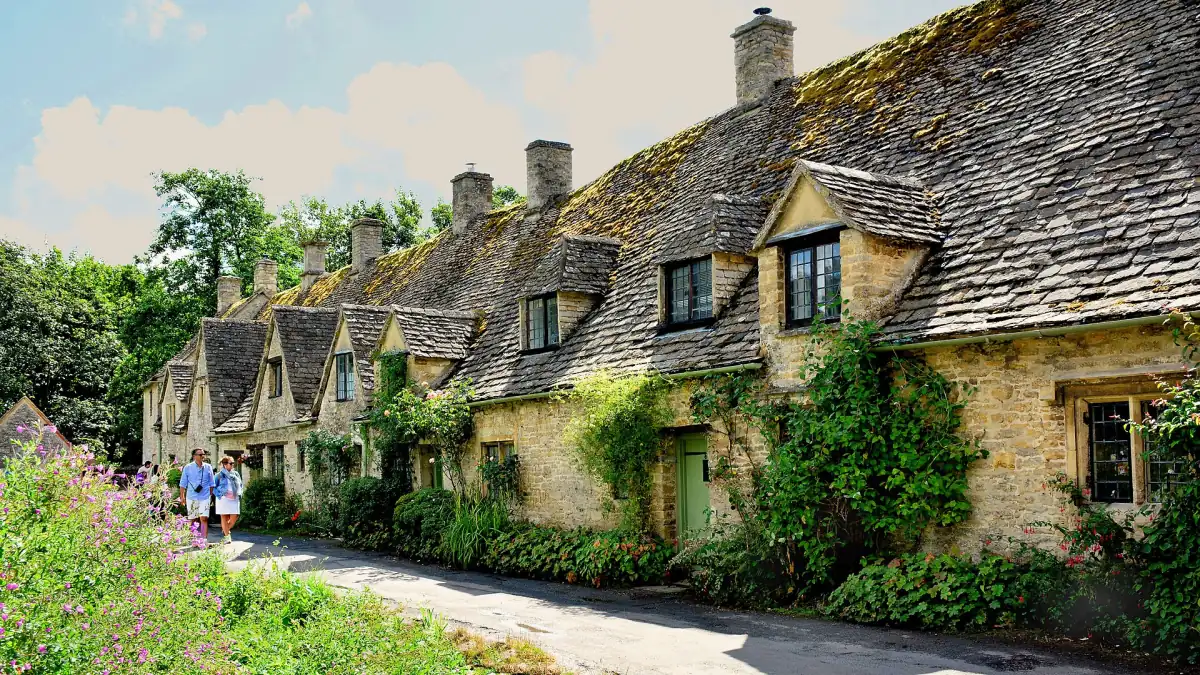
Full-day Cotswolds small-group tour from London
An air-conditioned minibus, a local driver-guide and free time in the villages.
Check availability →Cotswolds villages tour from Bath
A small group in a minibus with a local driver-guide.
Check availability →Cotswolds tours and day trips
Small-group village tours, full-day trips from London and Oxford combinations, with live prices and availability.
Plan your Cotswolds trip
The main pages of this guide, from first ideas to individual villages.
15 things to do
Villages, gardens, a castle, a tower and a long walk, with 2026 prices and opening times.
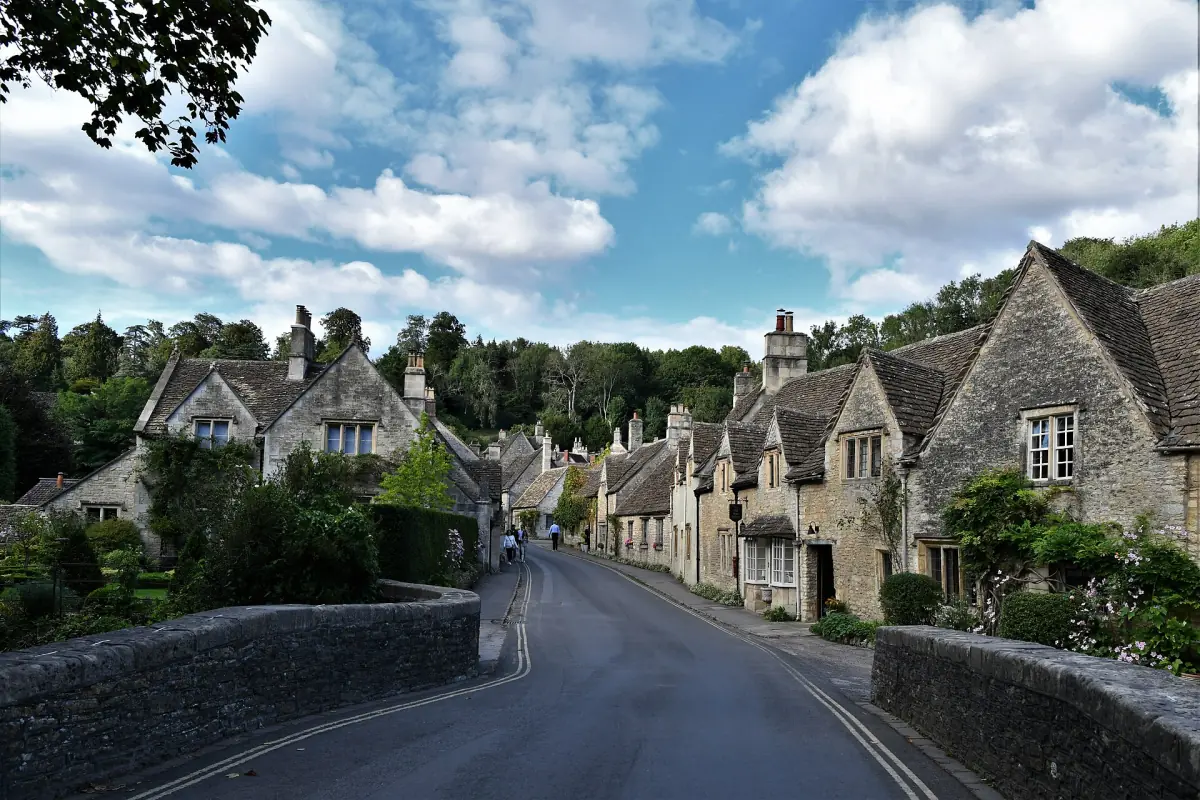
12 towns and villages
Twelve places compared, from Bibury to the market town of Cirencester.
Tours from London
Two day programs side by side, and how a tour compares with train and bus.
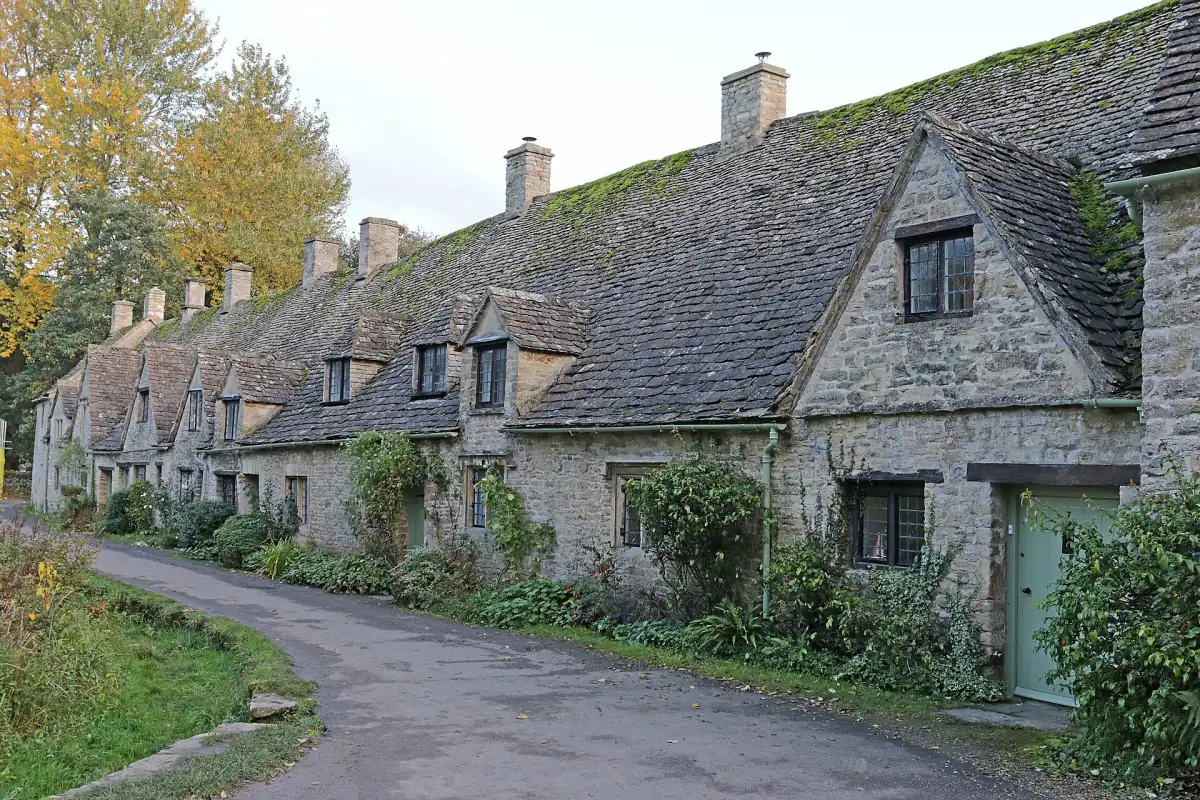
Bibury
Arlington Row, free roadside parking and how to visit without disturbing residents.
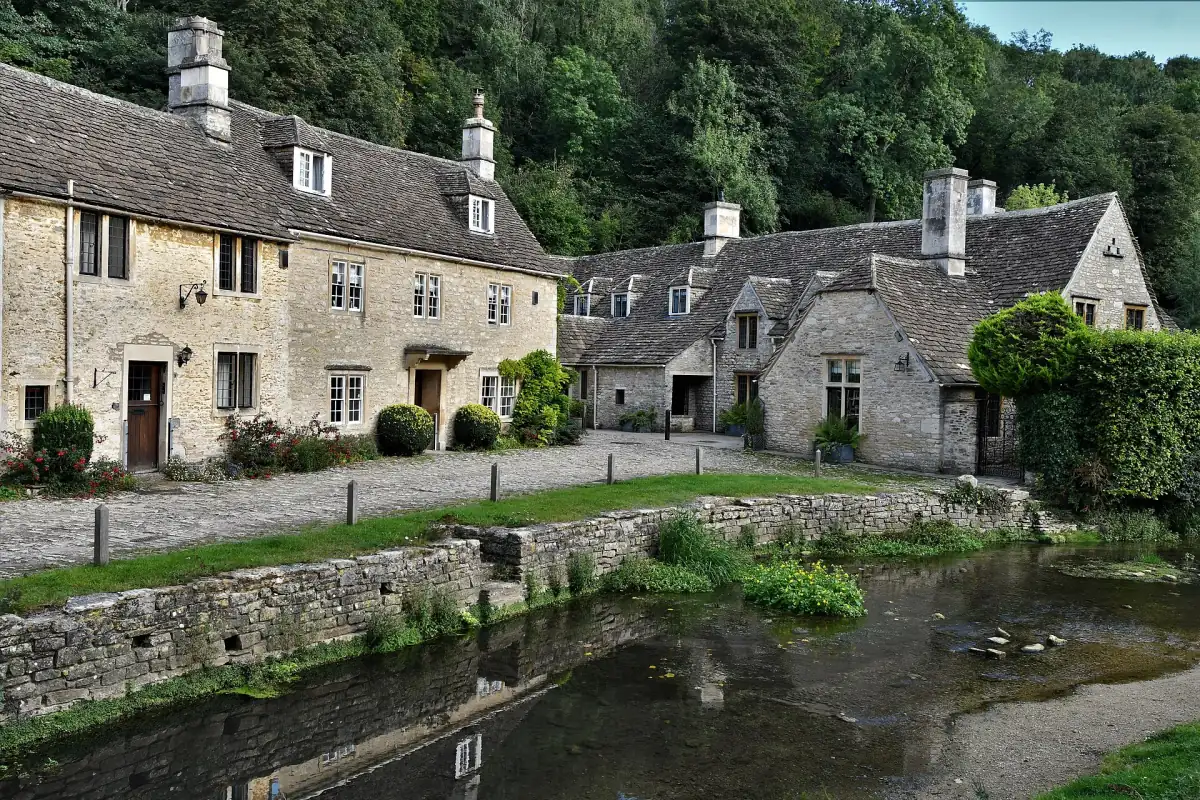
Castle Combe
The village car park, coach rules and why summer weekends are busy.
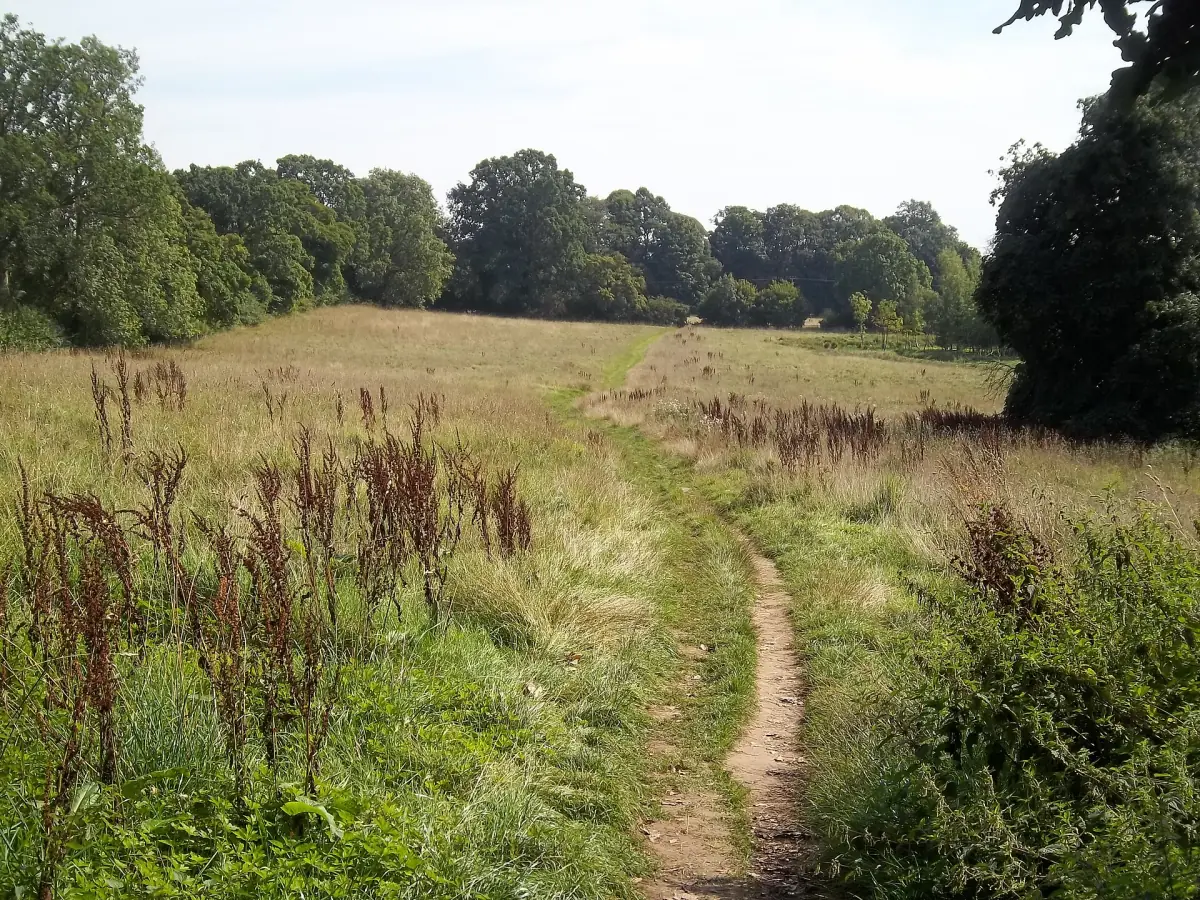
Bourton-on-the-Water
The River Windrush, the Model Village and the walk to the Slaughters.
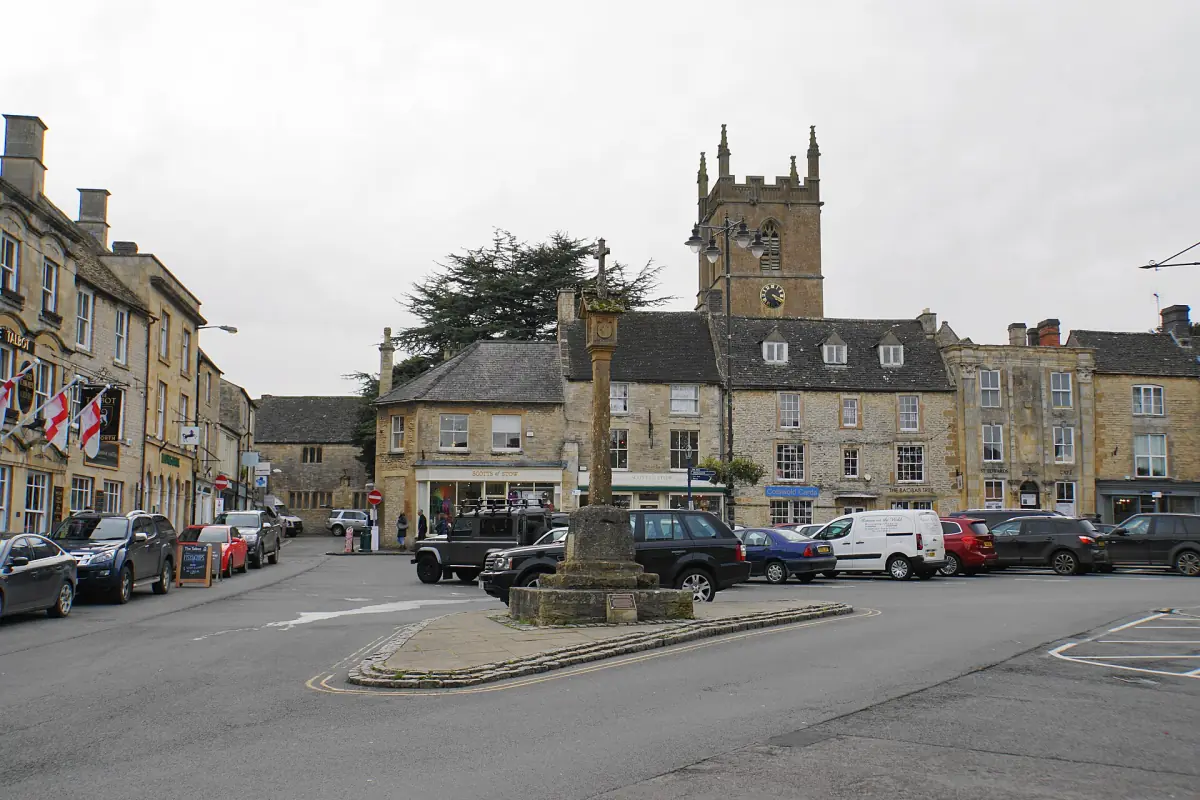
Stow-on-the-Wold
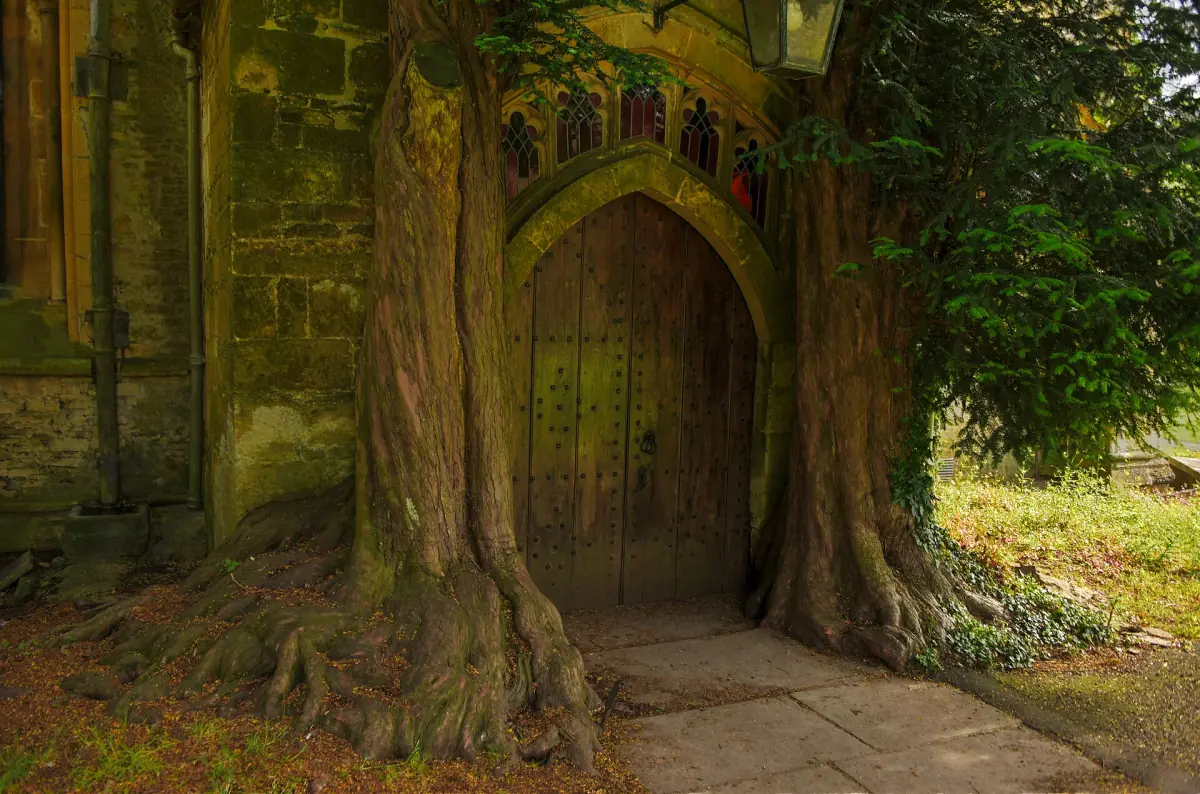
The market square, the church door and where to park.
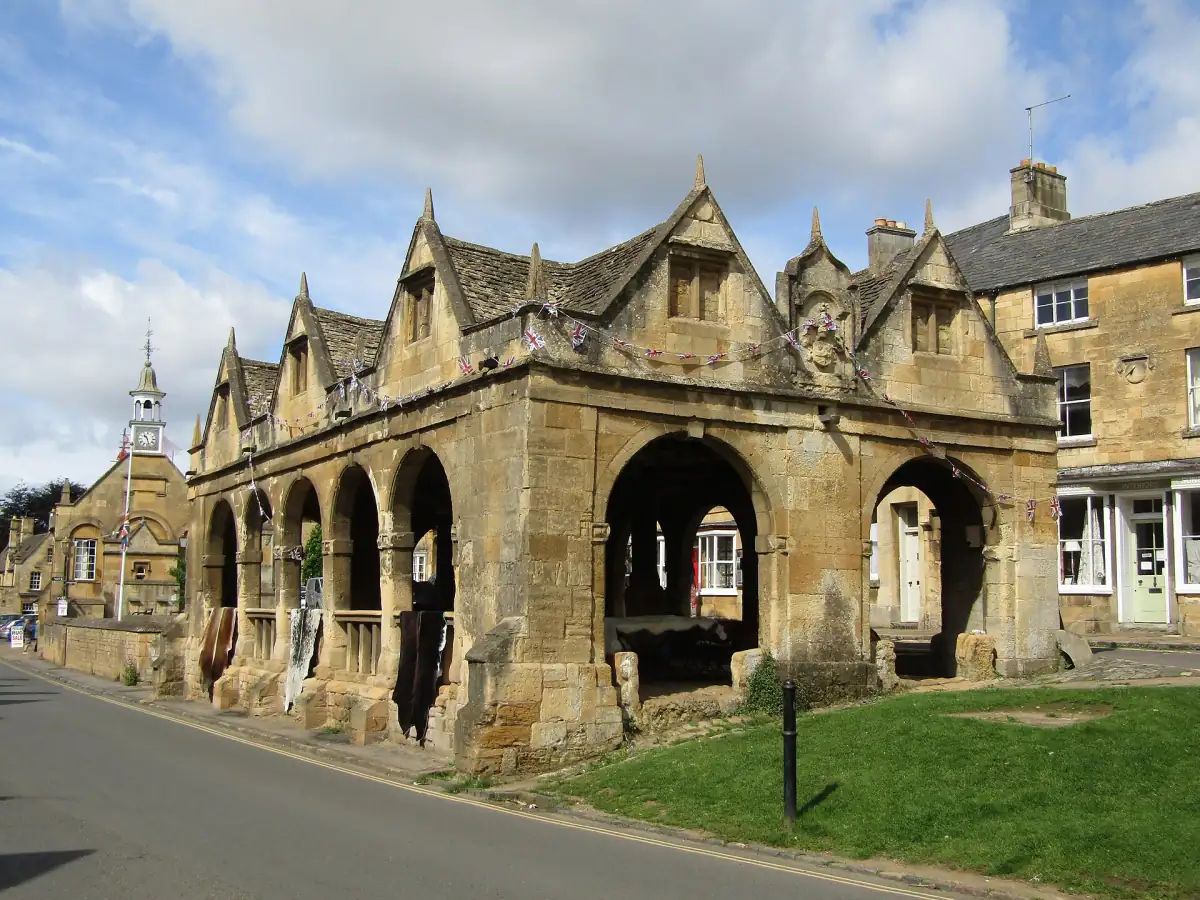
Chipping Campden
The Market Hall, the High Street and the start of the Cotswold Way.
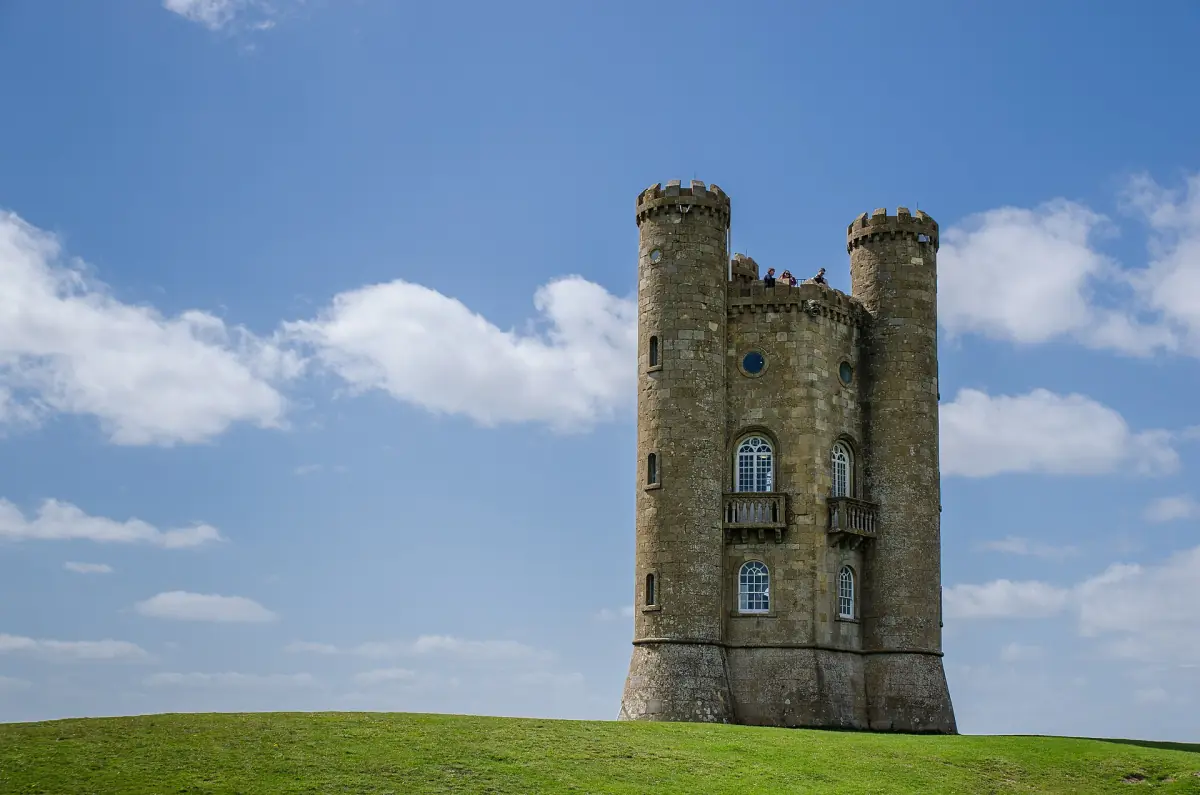
Broadway and Broadway Tower
Tower opening hours, parking and a hill walk from Chipping Campden.
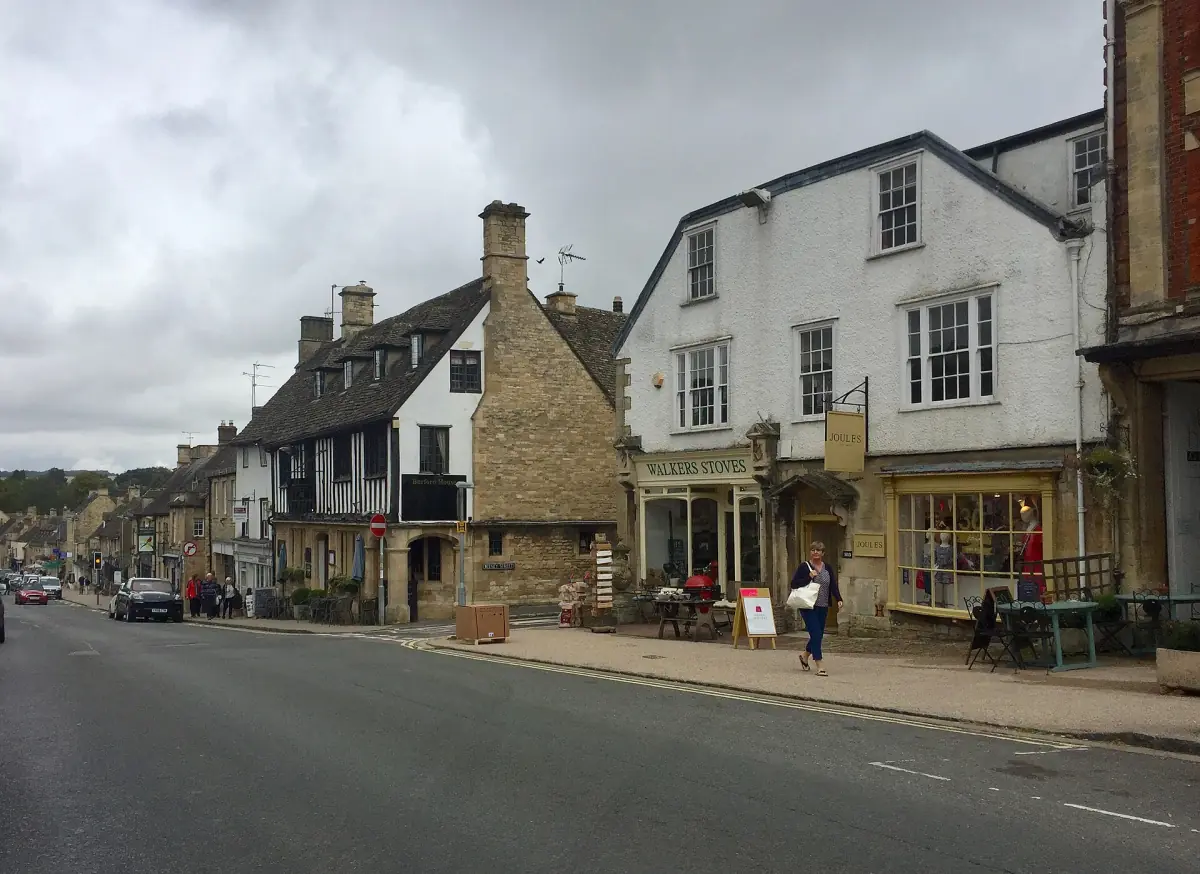
Burford
The High Street, the church and a free car park.
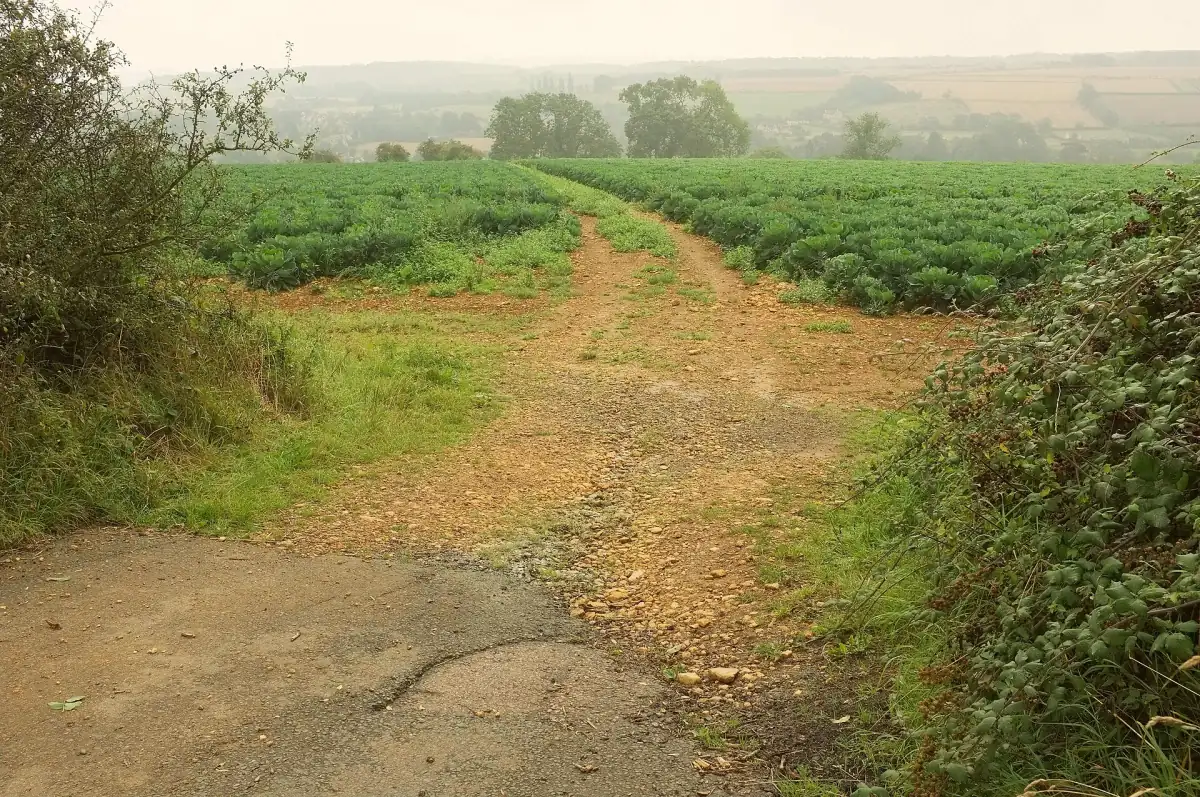
The Cotswold Way
102 miles (164 km) in 15 sample stages, with distances.
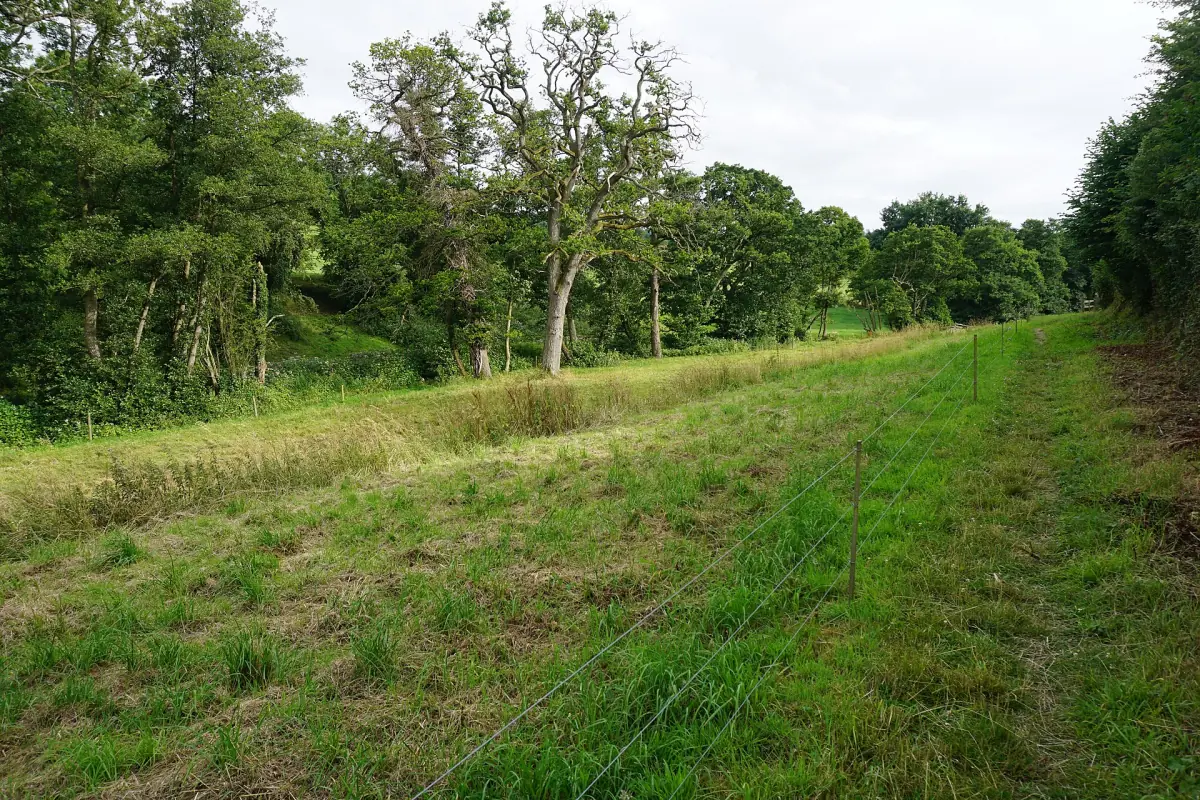
Best time to visit
Monthly temperatures and rainfall, seasonal sights and crowds.
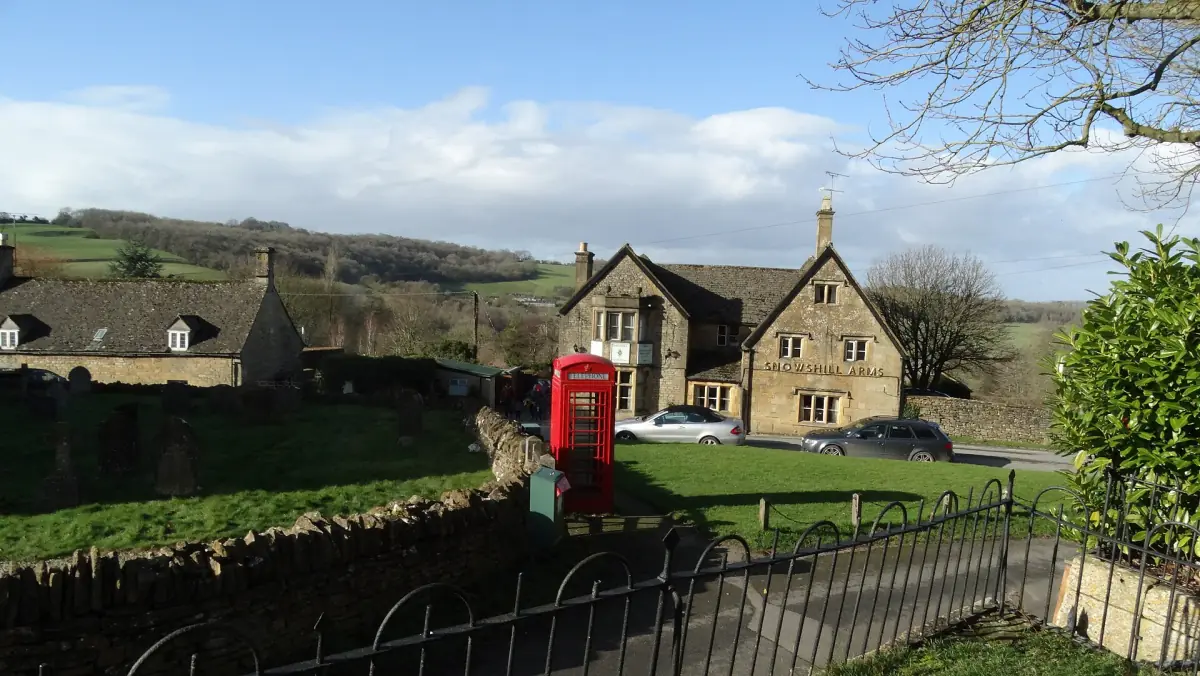
Where to stay
Six bases compared by location, without booking links.
What to know in autumn 2026
Notes that older guides do not have.
Roadworks on the A417
National Highways reported on 18 September 2026 that traffic had moved to the final road layout near Birdlip. Northbound, the link from Cirencester towards Gloucester has no exit at Shab Hill. Some single-lane sections remain, so allow extra time. The new B4070 to Birdlip and the northbound slip road at Cowley are announced for later this year.
Cotswold Way diversion near Birdlip
A diversion on the Cotswold Way near Birdlip has been reported since 3 July 2026 for at least six months. Follow the signed route and do not assume that a reopened road means an open path.
Cotswold Way →Seasons are ending
Sudeley Castle and the standard Hidcote season run to early November 2026. Cotswold Lavender has been harvested and is closed to visitors until mid-June 2027. Westonbirt Arboretum asks visitors to book ahead for 25 September to 15 November 2026.
Things to do →Christmas markets
Bath Christmas Market runs from 26 November to 13 December 2026. Bath lies at the southern edge of the area and is a day trip rather than a Cotswold village.
Best time to visit →Visiting without being a nuisance
Many of these places are homes first and sights second.
Stay on the path
Keep to signed public paths unless a wider right of access applies. Leave gates as you find them and do not block driveways. Do not light fires, and take your litter home.
Respect private homes
The houses of Arlington Row in Bibury are privately occupied, and the gardens are not open. Castle Combe asks visitors not to fly drones in or around the village. Take photos from the public street and keep it clear.
Dogs and livestock
The landscape body recommends keeping at least 10 m from grazing animals and keeping dogs on a lead unless signs say otherwise. That is guidance, not a legal distance.
Cotswolds: frequently asked questions
Where are the Cotswolds?
In central southern England. The area reaches from Warwickshire and Worcestershire in the north to Wiltshire and Bath in the south, with a steep western edge called the Cotswold Escarpment. The villages sit on Jurassic limestone.
Are the Cotswolds a national park?
No. The area has been an Area of Outstanding Natural Beauty since 1966, and its management body now uses the name Cotswolds National Landscape. It is the same protected landscape, with different rules from a national park.
How do I get to the Cotswolds from London?
By direct train from Paddington to Moreton-in-Marsh or Charlbury, by car, or on a guided day tour. The train to Moreton-in-Marsh takes from 1 h 24 min. Read the page on tours from London before you choose.
Do I need a car?
A car is easiest, but not essential. Buses such as Pulhams route 801 link several villages, and walking links the rest. Public transport is possible but takes planning because the places are far apart.
Which villages should I visit first?
Bibury, Castle Combe and Bourton-on-the-Water are the best known, and they are the busiest in summer. Stow-on-the-Wold, Chipping Campden and Burford each have their own pages, and Broadway has its tower. The village comparison lists twelve places.
Is this the official Cotswolds website?
No. This is an independent travel guide. It is not run by the Cotswolds National Landscape, a council, the National Trust or any tour operator. Prices shown are those published for 2026 at the time of writing, so confirm them with the operator.